Buy welequi.be ?
We are moving the project
welequi.be .
Are you interested in purchasing the domain
welequi.be ?
domain@kv-gmbh.de · 0541-91531010
Buy welequi.be ?
Are sparrows vegetarian?
No, sparrows are not vegetarian. They are omnivores, meaning they eat a variety of foods including seeds, insects, fruits, and small invertebrates. **
Who incubates the sparrows?
Sparrows are typically incubated by the female sparrow. The female builds the nest and is responsible for sitting on the eggs to keep them warm until they hatch. The male sparrow may also help with incubation by bringing food to the female while she is on the nest. **

Similar search terms for Sparrows
Top-Angebote
Products related to Sparrows:
-
vidaXL Fitness Banc d'entraînementCe banc d'entraînement permettra d'améliorer votre condition physique et tonifier vos muscles et en conjonction avec un régime hypocalorique. Il convient à votre studio de formation personnelle, gym à domicile ou à la salle de sport commercial. Dossier réglable : le banc utilitaire est équipé d'un dossier réglable. Le dossier renforce les muscles du dos et des épaules. Les cinq niveaux de réglage du dossier vous permettent d'adopter la position la plus confortable et d'adapter l'intensité de l'entraînement à vos besoins spécifiques. Construction stable : ce banc de musculation multifonctionnel est construit en acier de première qualité. Coussin confortable : le coussin rembourré épais vous offre une excellente expérience d’entraînement.105,99 €*Shipping: 0,00 €Secure redirect to the provider
-
PUMA Short fitness/gymDétails produit • Taille : standard • Convient à la pratique sportive Composition et Entretien • 85% polyester, 15% élasthanne • Pour l'entretien, merci de vous référer aux indications figurant sur l'étiquette du produit21,00 €*Shipping: 3,99 €Secure redirect to the provider


-
Which grains for sparrows?
Sparrows can eat a variety of grains, including millet, oats, barley, and wheat. These grains provide essential nutrients and energy for sparrows to thrive. It is important to offer a diverse selection of grains to ensure a balanced diet for these small birds. Additionally, providing grains in a bird feeder or scattered on the ground can attract sparrows to your garden or backyard. **
-
Should one feed sparrows?
It is generally not recommended to feed sparrows or any wild birds. Feeding them can disrupt their natural foraging behavior and may lead to an overreliance on human-provided food. Additionally, feeding birds can attract unwanted pests and predators to your yard. It is best to provide natural food sources such as bird-friendly plants and clean water sources to support the local bird population. **
-
How do sparrows sleep?
Sparrows sleep by perching on branches or other elevated surfaces. They often tuck their heads under their wings and stand on one leg to conserve body heat while sleeping. This position also helps them stay alert to potential predators even while they are resting. **
-
Where do sparrows breed?
Sparrows typically breed in a variety of habitats including urban areas, farmlands, grasslands, and open woodlands. They build their nests in a variety of locations such as in trees, shrubs, and even in the eaves of buildings. Sparrows are adaptable birds and can be found breeding in a wide range of environments, making them one of the most widespread and common bird species in the world. **


How high do sparrows fly?
Sparrows typically fly at heights ranging from 30 to 100 feet above the ground. However, they can fly higher if necessary, especially during migration or when searching for food. **
Why have the sparrows disappeared?
Sparrows have disappeared due to various reasons, including loss of habitat, pollution, use of pesticides, and lack of food sources. Urbanization has led to destruction of their natural habitats, making it difficult for them to find suitable nesting sites. Pesticides and pollution have also affected their food sources, leading to a decline in their population. Additionally, climate change and changing weather patterns may have also played a role in their disappearance. **
Top-Angebote
Products related to Sparrows:
-
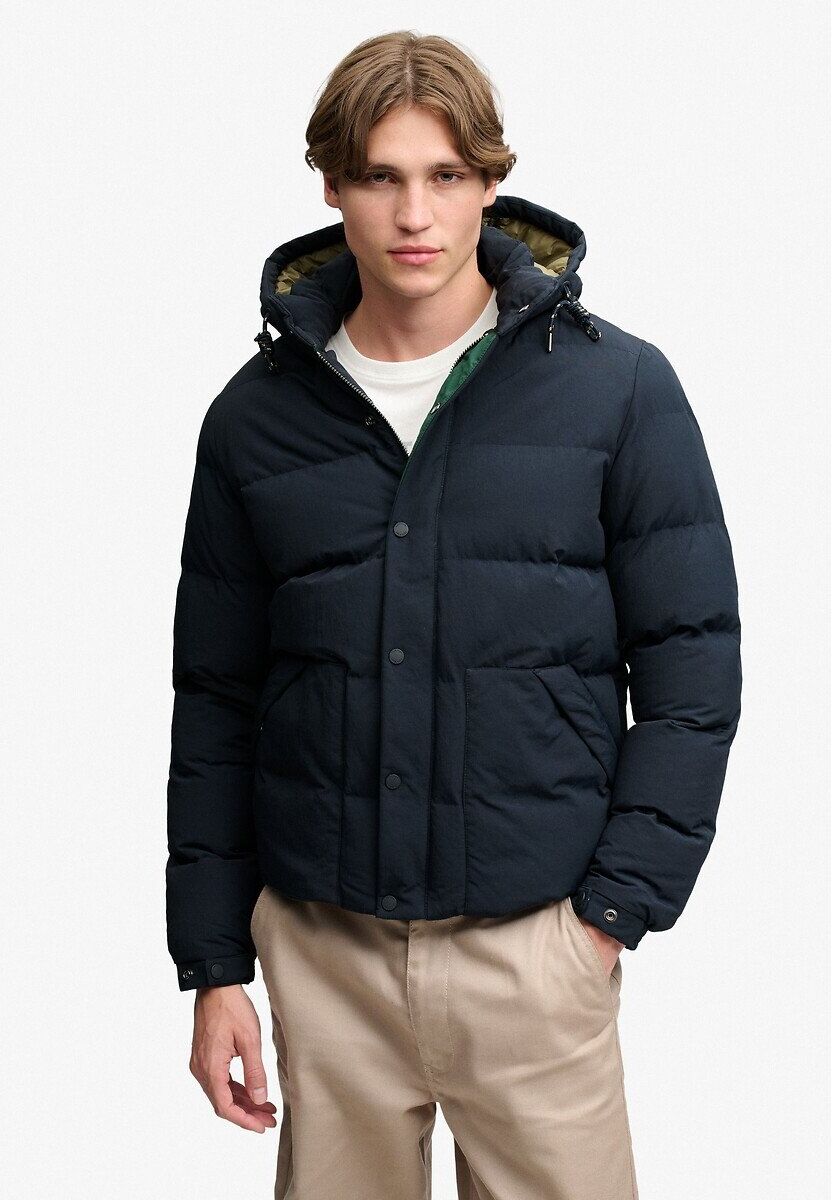
SUPERDRY Doudoune outdoor EverestDétails produit • Longueur : court • Col montant • Fermeture zippée • Capuche fixe réglable par cordon • 2 poches biais • Poignets réglables par bouton-pressions Composition et Entretien • Matière principale : 100% polyester • Doublure : 100% polyester • Garnissage : 100% polyester • Température de lavage 30° cycle délicat • Ne pas repasser / blanchiment interdit • Ne pas sécher en tambour • Pas de nettoyage à sec149,99 €*Shipping: 3,99 €Secure redirect to the provider
-
vidaXL Fitness Banc d'entraînementCe banc d'entraînement permettra d'améliorer votre condition physique et tonifier vos muscles et en conjonction avec un régime hypocalorique. Il convient à votre studio de formation personnelle, gym à domicile ou à la salle de sport commercial. Dossier réglable : le banc utilitaire est équipé d'un dossier réglable. Le dossier renforce les muscles du dos et des épaules. Les cinq niveaux de réglage du dossier vous permettent d'adopter la position la plus confortable et d'adapter l'intensité de l'entraînement à vos besoins spécifiques. Construction stable : ce banc de musculation multifonctionnel est construit en acier de première qualité. Coussin confortable : le coussin rembourré épais vous offre une excellente expérience d’entraînement.105,99 €*Shipping: 0,00 €Secure redirect to the provider
-
PUMA Short fitness/gymDétails produit • Taille : standard • Convient à la pratique sportive Composition et Entretien • 85% polyester, 15% élasthanne • Pour l'entretien, merci de vous référer aux indications figurant sur l'étiquette du produit21,00 €*Shipping: 3,99 €Secure redirect to the provider
-
Are sparrows vegetarian?
No, sparrows are not vegetarian. They are omnivores, meaning they eat a variety of foods including seeds, insects, fruits, and small invertebrates. **
-
Who incubates the sparrows?
Sparrows are typically incubated by the female sparrow. The female builds the nest and is responsible for sitting on the eggs to keep them warm until they hatch. The male sparrow may also help with incubation by bringing food to the female while she is on the nest. **
-
Which grains for sparrows?
Sparrows can eat a variety of grains, including millet, oats, barley, and wheat. These grains provide essential nutrients and energy for sparrows to thrive. It is important to offer a diverse selection of grains to ensure a balanced diet for these small birds. Additionally, providing grains in a bird feeder or scattered on the ground can attract sparrows to your garden or backyard. **
-
Should one feed sparrows?
It is generally not recommended to feed sparrows or any wild birds. Feeding them can disrupt their natural foraging behavior and may lead to an overreliance on human-provided food. Additionally, feeding birds can attract unwanted pests and predators to your yard. It is best to provide natural food sources such as bird-friendly plants and clean water sources to support the local bird population. **
Similar search terms for Sparrows
-
How do sparrows sleep?
Sparrows sleep by perching on branches or other elevated surfaces. They often tuck their heads under their wings and stand on one leg to conserve body heat while sleeping. This position also helps them stay alert to potential predators even while they are resting. **
-
Where do sparrows breed?
Sparrows typically breed in a variety of habitats including urban areas, farmlands, grasslands, and open woodlands. They build their nests in a variety of locations such as in trees, shrubs, and even in the eaves of buildings. Sparrows are adaptable birds and can be found breeding in a wide range of environments, making them one of the most widespread and common bird species in the world. **
-
How high do sparrows fly?
Sparrows typically fly at heights ranging from 30 to 100 feet above the ground. However, they can fly higher if necessary, especially during migration or when searching for food. **
-
Why have the sparrows disappeared?
Sparrows have disappeared due to various reasons, including loss of habitat, pollution, use of pesticides, and lack of food sources. Urbanization has led to destruction of their natural habitats, making it difficult for them to find suitable nesting sites. Pesticides and pollution have also affected their food sources, leading to a decline in their population. Additionally, climate change and changing weather patterns may have also played a role in their disappearance. **
* All prices are inclusive of VAT and, if applicable, plus shipping costs. The offer information is based on the details provided by the respective shop and is updated through automated processes. Real-time updates do not occur, so deviations can occur in individual cases. ** Note: Parts of this content were created by AI.