Buy welequi.be ?
We are moving the project
welequi.be .
Are you interested in purchasing the domain
welequi.be ?
domain@kv-gmbh.de · 0541-91531010
Buy welequi.be ?
What are resistance bands or fitness bands?
Resistance bands, also known as fitness bands, are elastic bands used for strength training and physical therapy. They come in a variety of resistance levels, from light to heavy, and can be used to target different muscle groups. Resistance bands provide a versatile and portable way to add resistance to exercises, making them suitable for a wide range of fitness levels and goals. They are often used as an alternative to traditional weights and can be incorporated into a variety of workouts, including strength training, yoga, and physical therapy exercises. **
Is the resistance of the outdoor sensor defective?
It is possible that the resistance of the outdoor sensor is defective if it is not providing accurate readings or if it is not functioning properly. To determine if the resistance is defective, you can use a multimeter to measure the resistance of the sensor and compare it to the expected value. If the measured resistance is significantly different from the expected value, then it is likely that the sensor is defective and may need to be replaced. Additionally, checking for any physical damage or corrosion on the sensor can also help determine if it is defective. **


Similar search terms for Resistance
Top-Angebote
Products related to Resistance:
-
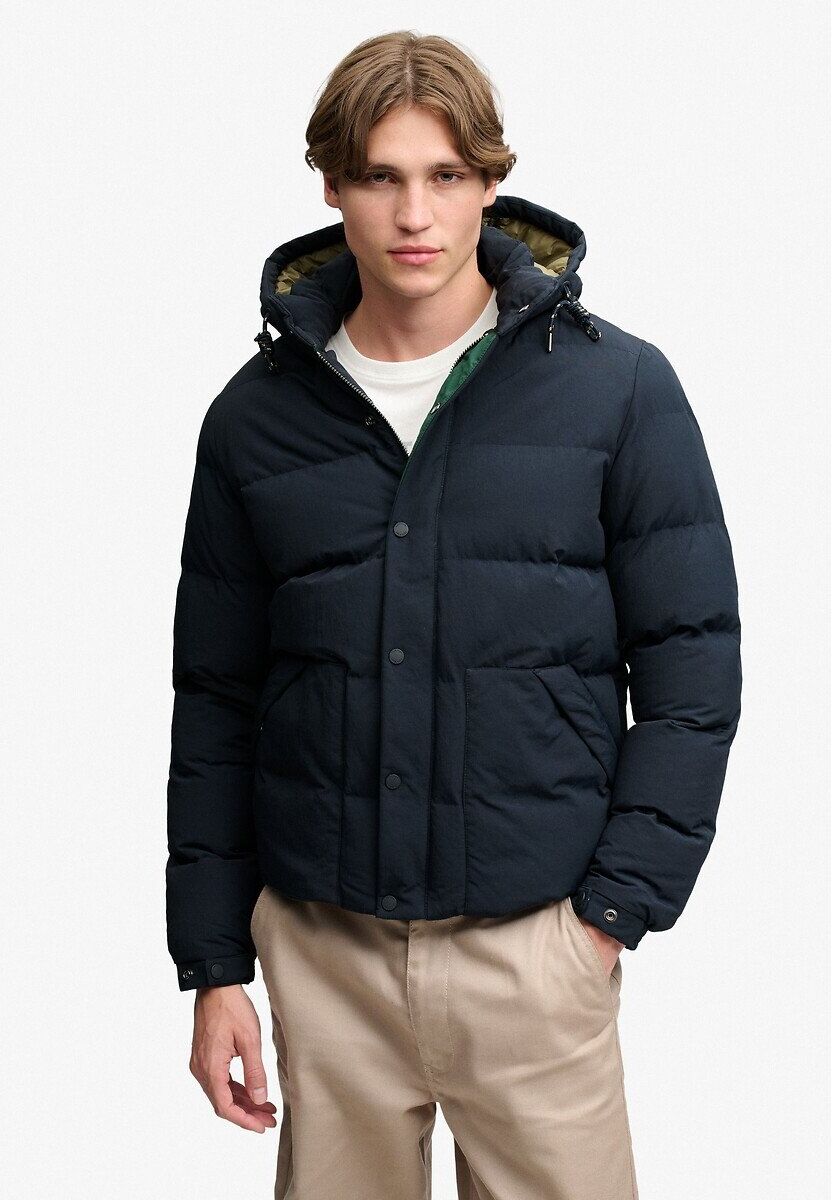
SUPERDRY Doudoune outdoor EverestDétails produit • Longueur : court • Col montant • Fermeture zippée • Capuche fixe réglable par cordon • 2 poches biais • Poignets réglables par bouton-pressions Composition et Entretien • Matière principale : 100% polyester • Doublure : 100% polyester • Garnissage : 100% polyester • Température de lavage 30° cycle délicat • Ne pas repasser / blanchiment interdit • Ne pas sécher en tambour • Pas de nettoyage à sec149,99 €*Shipping: 3,99 €Secure redirect to the provider
-
PUMA Baskets Milenio TechDétails produit • Type de sport : Running • Talon plat • Fermeture : A lacets Composition et Entretien • Dessus/Tige : 100% textile • Doublure : 100% textile • Semelle intérieure : 100% textile • Semelle extérieure : 100% caoutchouc Fiche produit relative aux qualités et caractéristiques environnementales • Origine de fabrication (piquage, montage, finition) : Chine Dernière mise à jour des informations : 02/04/202649,00 €*Shipping: 3,99 €Secure redirect to the provider
-
PUMA Baskets SHUFFLE TECHDétails produit • Usage sportswear • Talon plat • Fermeture : A lacets Composition et Entretien • Dessus/Tige : 100% autres matériaux • Doublure : 100% textile • Semelle intérieure : 100% textile • Semelle extérieure : 100% caoutchouc65,00 €*Shipping: 3,99 €Secure redirect to the provider
-
DIM THERMAL TECH LeggingDétails produit • Caleçon • Matière : coton Composition et Entretien • 54% coton, 21% polyester, 20% viscose, 5% élasthanne • Pour l'entretien, merci de vous référer aux indications figurant sur l'étiquette du produit • OEKO-TEX® Standard 100. La labellisation OEKO-TEX® Standard 100 contrôle les substances nocives des produits textiles via un label indépendant et international.24,59 €*Shipping: 3,99 €Secure redirect to the provider


-
What is the difference between resistance and specific resistance?
Resistance is the opposition to the flow of electric current in a material, measured in ohms. It is a property of the material itself. Specific resistance, also known as resistivity, is a material property that quantifies how strongly a material opposes the flow of electric current. It is a characteristic of the material's composition and is used to calculate the resistance of a specific shape and size of material. **
-
What is the difference between electrical resistance and specific resistance?
Electrical resistance is the opposition to the flow of electric current in a material, measured in ohms. It is a property of the material itself and is dependent on factors such as the material's dimensions and temperature. Specific resistance, on the other hand, is a material property that quantifies how much a material resists the flow of electric current compared to a standard material. It is also known as resistivity and is measured in ohm-meters. In essence, electrical resistance is the overall resistance of a material, while specific resistance is a more intrinsic property of the material itself. **
-
What are the tolerances for resistance chains and resistance cubes?
The tolerances for resistance chains and resistance cubes typically vary depending on the manufacturer and the specific product. However, in general, resistance chains and cubes are designed to have tight tolerances to ensure accurate and consistent resistance levels for users. It is common for resistance chains and cubes to have tolerances within a few percentage points to maintain their effectiveness and reliability during workouts. It is recommended to refer to the product specifications provided by the manufacturer for more detailed information on the tolerances of specific resistance chains and cubes. **
-
How do I calculate the resistance with the internal resistance?
To calculate the total resistance with the internal resistance, you can use the formula: R_total = R_internal + R_external, where R_total is the total resistance, R_internal is the internal resistance, and R_external is the external resistance. This formula takes into account the resistance from both the internal and external components of the circuit. By adding the internal and external resistances together, you can determine the total resistance in the circuit. **


What is the difference between insulation resistance and surface resistance?
Insulation resistance measures the resistance to the flow of current through the insulation material between two conductors, while surface resistance measures the resistance to the flow of current across the surface of a material. Insulation resistance is typically used to assess the effectiveness of insulation materials in preventing current leakage, while surface resistance is used to evaluate the cleanliness and conductivity of surfaces in electronic and electrical applications. In summary, insulation resistance measures the resistance through a material, while surface resistance measures the resistance across a material's surface. **
Is the protective resistance the same as the series resistance?
No, the protective resistance is not the same as the series resistance. The protective resistance is a component used to limit the current in a circuit and protect other components from damage. It is typically used in parallel with the component it is protecting. On the other hand, the series resistance is a component that is connected in series with other components in a circuit, affecting the overall resistance and current flow in the circuit. While both resistances are used to control current, they serve different purposes and are connected in different ways within a circuit. **
Top-Angebote
Products related to Resistance:
-
Power System Resistance Band Set bande de résistance 3 pcsPower System Resistance Band Set, 3 pcs, Équipement de fitness pour homme, Les salles de sport ou les centres de fitness remplis de monde ne sont pas votre tasse de thé ? Dans ce cas, faites votre sport à la maison. L’accessoire d’entraînement Power System Resistance Band Set améliorera vos séances d’exercices et les rendra plus efficaces. Le produit : idéal pour l’entraînement à domicile instrument polyvalent destiné aux exercices de musculation se glisse facilement dans un sac de sport accessoire conçu pour réaliser des exercices n’importe où conçu pour développer la masse musculaire Composition du produit : matériau élastique6,40 €*Shipping: 3,45 €Secure redirect to the provider
-
PUMA Short fitness/gymDétails produit • Taille : standard • Convient à la pratique sportive Composition et Entretien • 85% polyester, 15% élasthanne • Pour l'entretien, merci de vous référer aux indications figurant sur l'étiquette du produit21,00 €*Shipping: 3,99 €Secure redirect to the provider
-
SUPERDRY Doudoune outdoor EverestDétails produit • Longueur : court • Col montant • Fermeture zippée • Capuche fixe réglable par cordon • 2 poches biais • Poignets réglables par bouton-pressions Composition et Entretien • Matière principale : 100% polyester • Doublure : 100% polyester • Garnissage : 100% polyester • Température de lavage 30° cycle délicat • Ne pas repasser / blanchiment interdit • Ne pas sécher en tambour • Pas de nettoyage à sec149,99 €*Shipping: 3,99 €Secure redirect to the provider
-
PUMA Baskets Milenio TechDétails produit • Type de sport : Running • Talon plat • Fermeture : A lacets Composition et Entretien • Dessus/Tige : 100% textile • Doublure : 100% textile • Semelle intérieure : 100% textile • Semelle extérieure : 100% caoutchouc Fiche produit relative aux qualités et caractéristiques environnementales • Origine de fabrication (piquage, montage, finition) : Chine Dernière mise à jour des informations : 02/04/202649,00 €*Shipping: 3,99 €Secure redirect to the provider
-
What are resistance bands or fitness bands?
Resistance bands, also known as fitness bands, are elastic bands used for strength training and physical therapy. They come in a variety of resistance levels, from light to heavy, and can be used to target different muscle groups. Resistance bands provide a versatile and portable way to add resistance to exercises, making them suitable for a wide range of fitness levels and goals. They are often used as an alternative to traditional weights and can be incorporated into a variety of workouts, including strength training, yoga, and physical therapy exercises. **
-
Is the resistance of the outdoor sensor defective?
It is possible that the resistance of the outdoor sensor is defective if it is not providing accurate readings or if it is not functioning properly. To determine if the resistance is defective, you can use a multimeter to measure the resistance of the sensor and compare it to the expected value. If the measured resistance is significantly different from the expected value, then it is likely that the sensor is defective and may need to be replaced. Additionally, checking for any physical damage or corrosion on the sensor can also help determine if it is defective. **
-
What is the difference between resistance and specific resistance?
Resistance is the opposition to the flow of electric current in a material, measured in ohms. It is a property of the material itself. Specific resistance, also known as resistivity, is a material property that quantifies how strongly a material opposes the flow of electric current. It is a characteristic of the material's composition and is used to calculate the resistance of a specific shape and size of material. **
-
What is the difference between electrical resistance and specific resistance?
Electrical resistance is the opposition to the flow of electric current in a material, measured in ohms. It is a property of the material itself and is dependent on factors such as the material's dimensions and temperature. Specific resistance, on the other hand, is a material property that quantifies how much a material resists the flow of electric current compared to a standard material. It is also known as resistivity and is measured in ohm-meters. In essence, electrical resistance is the overall resistance of a material, while specific resistance is a more intrinsic property of the material itself. **
Similar search terms for Resistance
-
PUMA Baskets SHUFFLE TECHDétails produit • Usage sportswear • Talon plat • Fermeture : A lacets Composition et Entretien • Dessus/Tige : 100% autres matériaux • Doublure : 100% textile • Semelle intérieure : 100% textile • Semelle extérieure : 100% caoutchouc65,00 €*Shipping: 3,99 €Secure redirect to the provider
-
DIM THERMAL TECH LeggingDétails produit • Caleçon • Matière : coton Composition et Entretien • 54% coton, 21% polyester, 20% viscose, 5% élasthanne • Pour l'entretien, merci de vous référer aux indications figurant sur l'étiquette du produit • OEKO-TEX® Standard 100. La labellisation OEKO-TEX® Standard 100 contrôle les substances nocives des produits textiles via un label indépendant et international.24,59 €*Shipping: 3,99 €Secure redirect to the provider
-
PUMA Baskets Milenio Tech LTDétails produit • Usage sportswear • Talon plat • Fermeture : A lacets Composition et Entretien • Dessus/Tige : 92% textile, 8% autres matériaux • Doublure : 100% textile • Semelle intérieure : 100% textile • Semelle extérieure : 100% caoutchouc45,00 €*Shipping: 3,99 €Secure redirect to the provider
-
PUMA Baskets SHUFFLE TECH OGDétails produit • Usage sportswear • Talon plat • Fermeture : A lacets Composition et Entretien • Dessus/Tige : 51% textile, 49% autres matériaux • Doublure : 100% textile • Semelle intérieure : 100% textile • Semelle extérieure : 100% caoutchouc70,00 €*Shipping: 3,99 €Secure redirect to the provider
-
What are the tolerances for resistance chains and resistance cubes?
The tolerances for resistance chains and resistance cubes typically vary depending on the manufacturer and the specific product. However, in general, resistance chains and cubes are designed to have tight tolerances to ensure accurate and consistent resistance levels for users. It is common for resistance chains and cubes to have tolerances within a few percentage points to maintain their effectiveness and reliability during workouts. It is recommended to refer to the product specifications provided by the manufacturer for more detailed information on the tolerances of specific resistance chains and cubes. **
-
How do I calculate the resistance with the internal resistance?
To calculate the total resistance with the internal resistance, you can use the formula: R_total = R_internal + R_external, where R_total is the total resistance, R_internal is the internal resistance, and R_external is the external resistance. This formula takes into account the resistance from both the internal and external components of the circuit. By adding the internal and external resistances together, you can determine the total resistance in the circuit. **
-
What is the difference between insulation resistance and surface resistance?
Insulation resistance measures the resistance to the flow of current through the insulation material between two conductors, while surface resistance measures the resistance to the flow of current across the surface of a material. Insulation resistance is typically used to assess the effectiveness of insulation materials in preventing current leakage, while surface resistance is used to evaluate the cleanliness and conductivity of surfaces in electronic and electrical applications. In summary, insulation resistance measures the resistance through a material, while surface resistance measures the resistance across a material's surface. **
-
Is the protective resistance the same as the series resistance?
No, the protective resistance is not the same as the series resistance. The protective resistance is a component used to limit the current in a circuit and protect other components from damage. It is typically used in parallel with the component it is protecting. On the other hand, the series resistance is a component that is connected in series with other components in a circuit, affecting the overall resistance and current flow in the circuit. While both resistances are used to control current, they serve different purposes and are connected in different ways within a circuit. **
* All prices are inclusive of VAT and, if applicable, plus shipping costs. The offer information is based on the details provided by the respective shop and is updated through automated processes. Real-time updates do not occur, so deviations can occur in individual cases. ** Note: Parts of this content were created by AI.