Buy welequi.be ?
We are moving the project
welequi.be .
Are you interested in purchasing the domain
welequi.be ?
domain@kv-gmbh.de · 0541-91531010
Buy welequi.be ?
What is the difference between self-pollination and cross-pollination?
Self-pollination occurs when pollen from the same plant fertilizes the ovules within the same flower or between different flowers on the same plant. This can happen through the transfer of pollen by wind, water, or self-pollinating mechanisms. On the other hand, cross-pollination involves the transfer of pollen from the male reproductive organ of one plant to the female reproductive organ of another plant of the same species. This process promotes genetic diversity and can result in stronger, more resilient offspring. **
What are the advantages and disadvantages of self-pollination in plants?
Self-pollination in plants has advantages such as ensuring reproductive success even in isolated or small populations, as it does not rely on external agents like wind or insects for pollination. This can lead to faster and more efficient reproduction. However, self-pollination can also result in reduced genetic diversity within a population, making plants more susceptible to diseases and environmental changes. It can also limit the potential for beneficial genetic variations to arise through cross-pollination. **

Similar search terms for Self-pollination
Top-Angebote
Products related to Self-pollination:
-
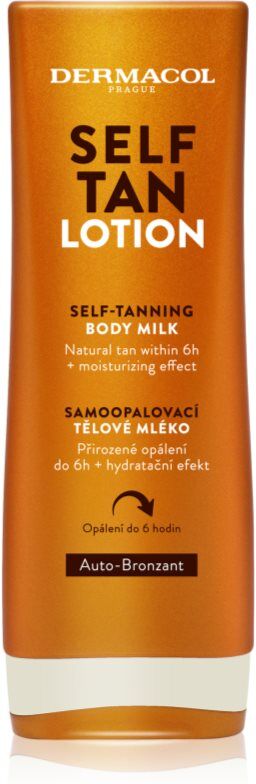
Dermacol Sun Self Tan lait corporel auto-bronzant 200 mlDermacol Sun Self Tan, 200 ml, Produits autobronzants pour femme, Vous souhaitez attirer les regards grâce à un corps divinement bronzé ? Mais vous n’avez pas envie d’attendre que le soleil s’intensifie ou bien de partir en vacances dans des contrées plus chaudes ? Le produit autobronzant pour le corps Dermacol Sun Self Tan donne à votre peau un bronzage parfait, uniforme et naturel, où et quand vous le voulez. Il permet d’obtenir rapidement et facilement un teint superbement hâlé comme si vous veniez de passer une semaine à la mer. Et le tout, sans avoir dû vous exposer une seule fois au soleil. Le produit : donne à la peau une teinte bronzée l’effet de bronzage est naturel hydrate et nourrit fonce progressivement la teinte de la peau Mode d’emploi : Appliquez une quantité raisonnable de produit sur la peau de l’ensemble du corps. Étalez minutieusement et de façon homogène. Lavez-vous bien les mains après application.9,40 €*Shipping: 3,45 €Secure redirect to the provider
-
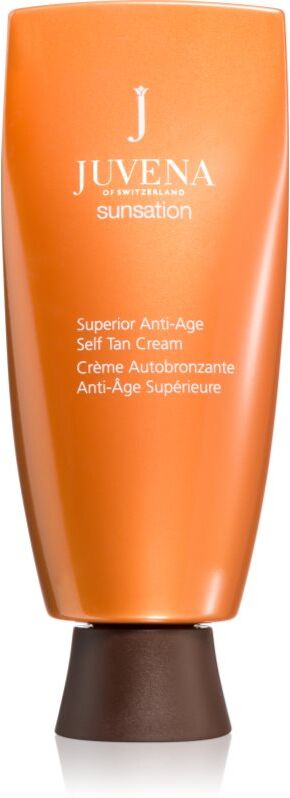
Juvena Sunsation Self Tan Cream crème auto-bronzante 150 mlJuvena Sunsation Self Tan Cream, 150 ml, Produits autobronzants pour femme, Vous souhaitez attirer tous les regards grâce à une peau magnifiquement bronzée ? Mais vous n’avez pas envie d’attendre que le soleil s’intensifie ou bien de partir en vacances dans des contrées plus chaudes ? Le produit autobronzant Juvena Sunsation Self Tan Cream donne à votre visage et à votre corps un bronzage parfait, uniforme et naturel, où et quand vous le voulez. Il permet d’obtenir rapidement et facilement un teint joliment hâlé comme si vous veniez de passer une semaine à la mer. Et le tout, sans avoir dû vous exposer une seule fois au soleil. Le produit : s’applique facilement effet de longue tenue donne à votre peau un aspect sain, caressé par le soleil résiste au frottement des vêtements Mode d’emploi : Gommer préalablement la peau afin d’éliminer les cellules mortes. Cette étape permet de préparer idéalement la peau. Appliquez sur une peau propre et sèche. Étalez avec minutie et de façon uniforme. Éviter le contact avec les vêtements jusqu’à ce que le produit soit complètement absorbé.41,70 €*Shipping: 3,45 €Secure redirect to the provider
-
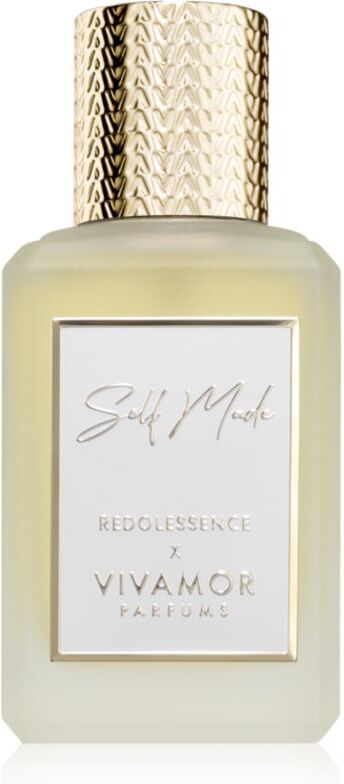
Vivamor Parfums Self Made extrait de parfum mixte 100 mlVivamor Parfums Self Made, 100 ml, Parfums mixte, Le parfum mixte Vivamor Parfums Self Made vous fera découvrir les senteurs envoûtantes de l’Orient. Ses parfums de secrets et de mystères vous envouteront instantanément et ne laisseront pas votre entourage indifférent. parfum gourmand parfum sucré un parfum plaisant qui ne cessera de vous captiver parfum chaleureux, idéal par temps froid parfum mixte95,50 €*Shipping: 3,45 €Secure redirect to the provider

-
What is pollination in flowers?
Pollination in flowers is the process by which pollen from the male reproductive organs (anthers) of a flower is transferred to the female reproductive organs (stigma) of the same or another flower, leading to fertilization and the production of seeds. This transfer of pollen can occur through various means, including wind, water, and animals such as bees, butterflies, and birds. Pollination is essential for the reproduction of flowering plants and the production of fruits and seeds. **
-
How does pollination occur in insects?
Pollination in insects occurs when they visit flowers in search of nectar or pollen. As they feed, they inadvertently brush against the reproductive parts of the flower, picking up pollen grains. When the insect moves to another flower of the same species, some of this pollen is transferred to the stigma, fertilizing the flower. This process allows for the successful reproduction of many plant species with the help of insect pollinators. **
-
What forms of pollination exist in primroses?
Primroses exhibit both self-pollination and cross-pollination. Self-pollination occurs when the plant's own pollen fertilizes its own ovules, leading to genetic uniformity. Cross-pollination, on the other hand, involves the transfer of pollen from one plant to another, promoting genetic diversity. Primroses can be pollinated by insects, such as bees and butterflies, as well as by wind. **
-
How does the pollination of insects occur?
Insect pollination occurs when insects, such as bees, butterflies, and beetles, visit flowers in search of nectar or pollen. As they move from flower to flower, they inadvertently transfer pollen from the male reproductive parts of one flower to the female reproductive parts of another. This transfer of pollen allows for fertilization and the production of seeds and fruits. Insects are attracted to flowers by their colors, scents, and nectar, and in the process of feeding, they facilitate the crucial process of pollination. **

What terms exist for external and internal pollination?
External pollination occurs when pollen is transferred between flowers by an external agent, such as wind, water, or animals. Internal pollination, on the other hand, occurs when pollen is transferred within the same flower or between flowers of the same plant. Both types of pollination are essential for the reproduction of many plant species. **
Do grapes only grow with pollination by bees?
No, grapes do not require pollination by bees to grow. Grapes are self-pollinating plants, meaning they have both male and female reproductive parts within the same flower, allowing them to pollinate themselves. While bees can help with pollination and increase grape yields, they are not necessary for grape production. **
Top-Angebote
Products related to Self-pollination:
-
Dermacol Sun Self Tan lait corporel auto-bronzant 200 mlDermacol Sun Self Tan, 200 ml, Produits autobronzants pour femme, Vous souhaitez attirer les regards grâce à un corps divinement bronzé ? Mais vous n’avez pas envie d’attendre que le soleil s’intensifie ou bien de partir en vacances dans des contrées plus chaudes ? Le produit autobronzant pour le corps Dermacol Sun Self Tan donne à votre peau un bronzage parfait, uniforme et naturel, où et quand vous le voulez. Il permet d’obtenir rapidement et facilement un teint superbement hâlé comme si vous veniez de passer une semaine à la mer. Et le tout, sans avoir dû vous exposer une seule fois au soleil. Le produit : donne à la peau une teinte bronzée l’effet de bronzage est naturel hydrate et nourrit fonce progressivement la teinte de la peau Mode d’emploi : Appliquez une quantité raisonnable de produit sur la peau de l’ensemble du corps. Étalez minutieusement et de façon homogène. Lavez-vous bien les mains après application.9,40 €*Shipping: 3,45 €Secure redirect to the provider
-
What is the difference between self-pollination and cross-pollination?
Self-pollination occurs when pollen from the same plant fertilizes the ovules within the same flower or between different flowers on the same plant. This can happen through the transfer of pollen by wind, water, or self-pollinating mechanisms. On the other hand, cross-pollination involves the transfer of pollen from the male reproductive organ of one plant to the female reproductive organ of another plant of the same species. This process promotes genetic diversity and can result in stronger, more resilient offspring. **
-
What are the advantages and disadvantages of self-pollination in plants?
Self-pollination in plants has advantages such as ensuring reproductive success even in isolated or small populations, as it does not rely on external agents like wind or insects for pollination. This can lead to faster and more efficient reproduction. However, self-pollination can also result in reduced genetic diversity within a population, making plants more susceptible to diseases and environmental changes. It can also limit the potential for beneficial genetic variations to arise through cross-pollination. **
-
What is pollination in flowers?
Pollination in flowers is the process by which pollen from the male reproductive organs (anthers) of a flower is transferred to the female reproductive organs (stigma) of the same or another flower, leading to fertilization and the production of seeds. This transfer of pollen can occur through various means, including wind, water, and animals such as bees, butterflies, and birds. Pollination is essential for the reproduction of flowering plants and the production of fruits and seeds. **
-
How does pollination occur in insects?
Pollination in insects occurs when they visit flowers in search of nectar or pollen. As they feed, they inadvertently brush against the reproductive parts of the flower, picking up pollen grains. When the insect moves to another flower of the same species, some of this pollen is transferred to the stigma, fertilizing the flower. This process allows for the successful reproduction of many plant species with the help of insect pollinators. **
Similar search terms for Self-pollination
-
Juvena Sunsation Self Tan Cream crème auto-bronzante 150 mlJuvena Sunsation Self Tan Cream, 150 ml, Produits autobronzants pour femme, Vous souhaitez attirer tous les regards grâce à une peau magnifiquement bronzée ? Mais vous n’avez pas envie d’attendre que le soleil s’intensifie ou bien de partir en vacances dans des contrées plus chaudes ? Le produit autobronzant Juvena Sunsation Self Tan Cream donne à votre visage et à votre corps un bronzage parfait, uniforme et naturel, où et quand vous le voulez. Il permet d’obtenir rapidement et facilement un teint joliment hâlé comme si vous veniez de passer une semaine à la mer. Et le tout, sans avoir dû vous exposer une seule fois au soleil. Le produit : s’applique facilement effet de longue tenue donne à votre peau un aspect sain, caressé par le soleil résiste au frottement des vêtements Mode d’emploi : Gommer préalablement la peau afin d’éliminer les cellules mortes. Cette étape permet de préparer idéalement la peau. Appliquez sur une peau propre et sèche. Étalez avec minutie et de façon uniforme. Éviter le contact avec les vêtements jusqu’à ce que le produit soit complètement absorbé.41,70 €*Shipping: 3,45 €Secure redirect to the provider
-
Vivamor Parfums Self Made extrait de parfum mixte 100 mlVivamor Parfums Self Made, 100 ml, Parfums mixte, Le parfum mixte Vivamor Parfums Self Made vous fera découvrir les senteurs envoûtantes de l’Orient. Ses parfums de secrets et de mystères vous envouteront instantanément et ne laisseront pas votre entourage indifférent. parfum gourmand parfum sucré un parfum plaisant qui ne cessera de vous captiver parfum chaleureux, idéal par temps froid parfum mixte95,50 €*Shipping: 3,45 €Secure redirect to the provider
-
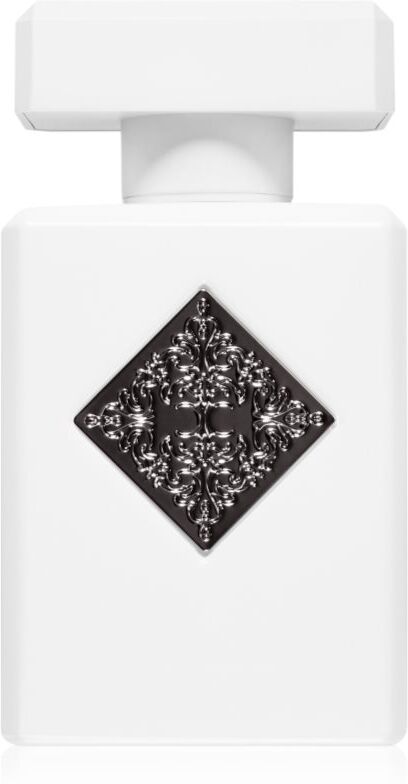
Initio Parfums Privés Power Self extrait de parfum mixte 90 mlInitio Parfums Privés Power Self, 90 ml, Parfums mixte, Préparez-vous aux vagues de questions. Le parfum mixte Initio Parfums Privés Power Self ne manquera pas de susciter la curiosité de votre entourage. Le caractère sophistiqué de sa composition parfumée ne laissera personne indifférent. composition équilibrée qui convient tant aux femmes qu’aux hommes chaque goutte semble être imprégnée de la sensibilité artistique et d’un morceau de l’âme de son créateur mixte : tant pour les femmes que pour les hommes290,00 €*Shipping: 3,45 €Secure redirect to the provider
-
Mimitika Self-Tanning Face Cream crème auto-bronzante visage 50 gMimitika Self-Tanning Face Cream, 50 g, Produits autobronzants pour femme, Vous souhaitez attirer les regards grâce à une peau magnifiquement bronzée ? Mais vous n’avez pas envie d’attendre que le soleil s’intensifie ou bien de partir en vacances dans des contrées plus chaudes ? Le produit autobronzant Mimitika Self-Tanning Face Cream donne à votre visage un bronzage parfait, uniforme et naturel, où vous le voulez et quand vous le voulez. Il permet d’obtenir rapidement et facilement un teint joliment hâlé comme si vous veniez de passer une semaine à la mer ; le tout, sans avoir dû vous exposer une seule fois au soleil. Le produit : apporte à la peau une teinte bronzée naturelle nourrit et hydrate en profondeur protège contre les radicaux libres ne laisse pas de fini gras et brillant sur la peau unifie le teint de la peau Composition du produit : beurre de karité – nourrit, aide à retenir l'humidité, apporte douceur et souplesse, offre une protection contre le dessèchement et les agressions extérieures Mode d’emploi : Appliquez sur la peau nettoyée de votre visage et étalez en direction de l’extérieur du visage, vers le cou et le décolleté. Lavez-vous bien les mains après application.25,00 €*Shipping: 3,45 €Secure redirect to the provider
-
What forms of pollination exist in primroses?
Primroses exhibit both self-pollination and cross-pollination. Self-pollination occurs when the plant's own pollen fertilizes its own ovules, leading to genetic uniformity. Cross-pollination, on the other hand, involves the transfer of pollen from one plant to another, promoting genetic diversity. Primroses can be pollinated by insects, such as bees and butterflies, as well as by wind. **
-
How does the pollination of insects occur?
Insect pollination occurs when insects, such as bees, butterflies, and beetles, visit flowers in search of nectar or pollen. As they move from flower to flower, they inadvertently transfer pollen from the male reproductive parts of one flower to the female reproductive parts of another. This transfer of pollen allows for fertilization and the production of seeds and fruits. Insects are attracted to flowers by their colors, scents, and nectar, and in the process of feeding, they facilitate the crucial process of pollination. **
-
What terms exist for external and internal pollination?
External pollination occurs when pollen is transferred between flowers by an external agent, such as wind, water, or animals. Internal pollination, on the other hand, occurs when pollen is transferred within the same flower or between flowers of the same plant. Both types of pollination are essential for the reproduction of many plant species. **
-
Do grapes only grow with pollination by bees?
No, grapes do not require pollination by bees to grow. Grapes are self-pollinating plants, meaning they have both male and female reproductive parts within the same flower, allowing them to pollinate themselves. While bees can help with pollination and increase grape yields, they are not necessary for grape production. **
* All prices are inclusive of VAT and, if applicable, plus shipping costs. The offer information is based on the details provided by the respective shop and is updated through automated processes. Real-time updates do not occur, so deviations can occur in individual cases. ** Note: Parts of this content were created by AI.