Buy welequi.be ?
We are moving the project
welequi.be .
Are you interested in purchasing the domain
welequi.be ?
domain@kv-gmbh.de · 0541-91531010
Buy welequi.be ?
What is scuba diving?
Scuba diving is a form of underwater diving where the diver uses a self-contained underwater breathing apparatus (scuba) to breathe underwater. It allows divers to explore the underwater world and observe marine life in its natural habitat. Scuba diving can be done for recreational purposes, as well as for scientific, military, and commercial purposes. It requires specialized training and equipment to ensure safety and enjoyment while exploring the underwater environment. **
Why do people scuba dive?
People scuba dive for a variety of reasons, including the opportunity to explore underwater ecosystems and marine life, the sense of adventure and excitement that comes with diving into the unknown, and the chance to experience weightlessness and freedom underwater. Scuba diving also provides a unique way to connect with nature and escape the stresses of everyday life, as well as the opportunity to challenge oneself and learn new skills. Ultimately, people scuba dive for the sense of wonder and awe that comes with discovering the beauty and mysteries of the underwater world. **

Similar search terms for Scuba
Top-Angebote
Products related to Scuba:
-
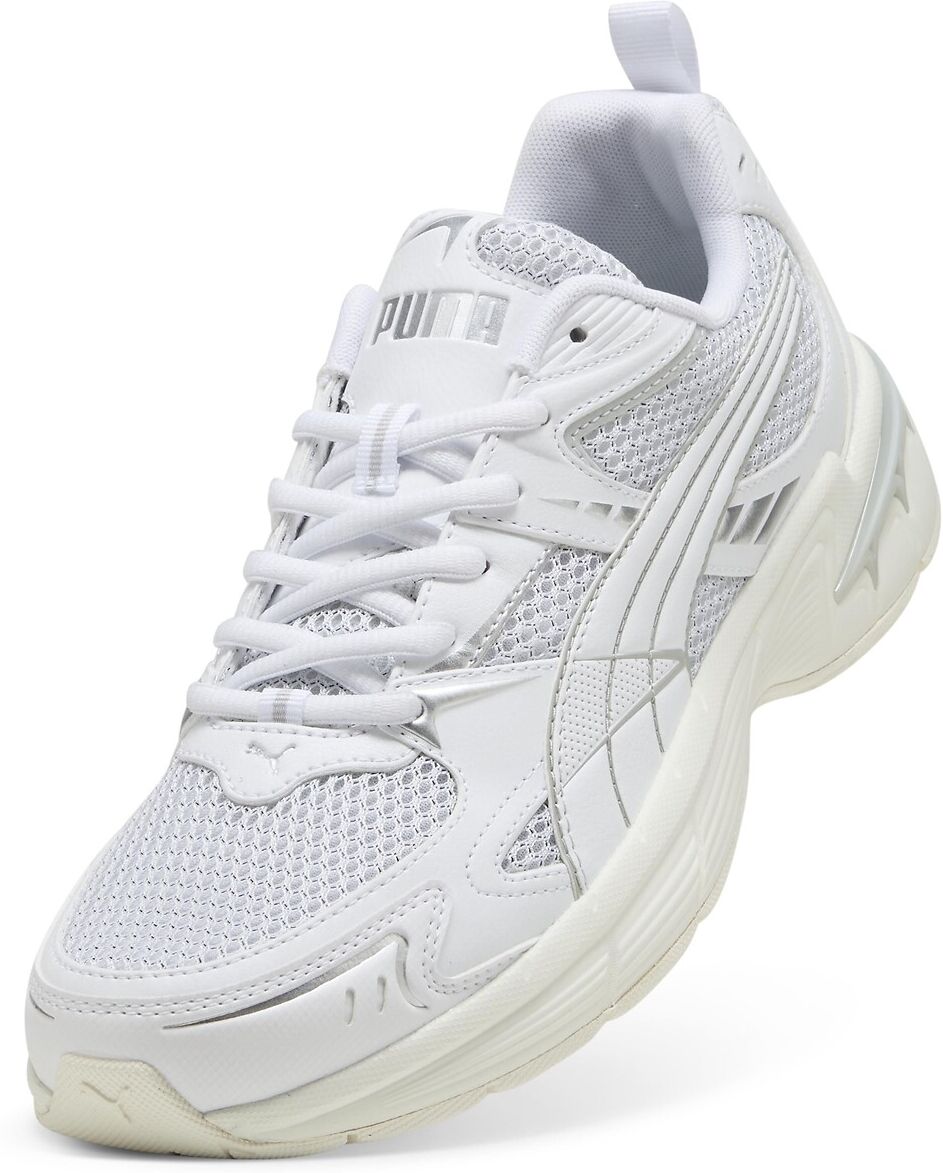
PUMA Baskets Milenio TechDétails produit • Type de sport : Running • Talon plat • Fermeture : A lacets Composition et Entretien • Dessus/Tige : 100% textile • Doublure : 100% textile • Semelle intérieure : 100% textile • Semelle extérieure : 100% caoutchouc Fiche produit relative aux qualités et caractéristiques environnementales • Origine de fabrication (piquage, montage, finition) : Chine Dernière mise à jour des informations : 02/04/202649,00 €*Shipping: 3,99 €Secure redirect to the provider
-
PUMA Baskets SHUFFLE TECHDétails produit • Usage sportswear • Talon plat • Fermeture : A lacets Composition et Entretien • Dessus/Tige : 100% autres matériaux • Doublure : 100% textile • Semelle intérieure : 100% textile • Semelle extérieure : 100% caoutchouc65,00 €*Shipping: 3,99 €Secure redirect to the provider
-
DIM THERMAL TECH LeggingDétails produit • Caleçon • Matière : coton Composition et Entretien • 54% coton, 21% polyester, 20% viscose, 5% élasthanne • Pour l'entretien, merci de vous référer aux indications figurant sur l'étiquette du produit • OEKO-TEX® Standard 100. La labellisation OEKO-TEX® Standard 100 contrôle les substances nocives des produits textiles via un label indépendant et international.24,59 €*Shipping: 3,99 €Secure redirect to the provider
-
PUMA Baskets Milenio Tech LTDétails produit • Usage sportswear • Talon plat • Fermeture : A lacets Composition et Entretien • Dessus/Tige : 92% textile, 8% autres matériaux • Doublure : 100% textile • Semelle intérieure : 100% textile • Semelle extérieure : 100% caoutchouc45,00 €*Shipping: 3,99 €Secure redirect to the provider


-
Why does a scuba tank sink?
A scuba tank sinks because it is typically made of metal, which is denser than water. The weight of the tank, combined with the weight of the air inside it, causes it to be negatively buoyant and sink in water. Scuba divers use weights and buoyancy control devices to offset the weight of the tank and achieve neutral buoyancy while underwater. **
-
What is a small scuba tank?
A small scuba tank, also known as a pony bottle or spare air tank, is a compact and portable air supply used by divers as a backup in case of an emergency. These tanks typically hold a smaller volume of air compared to standard scuba tanks, making them lighter and easier to carry. Small scuba tanks are often used for short dives, as a safety precaution, or for specific technical diving purposes. **
-
What are scuba tanks filled with?
Scuba tanks are filled with compressed air or a mixture of gases, such as nitrox or trimix. The most common filling for scuba tanks is regular compressed air, which is approximately 21% oxygen and 79% nitrogen. Nitrox is a mixture with a higher percentage of oxygen, typically around 32% or 36%, and is used for longer dives to reduce the risk of decompression sickness. Trimix is a mixture of oxygen, nitrogen, and helium, and is used for very deep dives to reduce the effects of nitrogen narcosis. **
-
Should one practice scuba diving or not?
Whether one should practice scuba diving depends on their comfort level in the water, physical fitness, and willingness to learn and follow safety protocols. Scuba diving can be a thrilling and rewarding experience, allowing individuals to explore the underwater world and see marine life up close. However, it also comes with risks, such as decompression sickness and equipment malfunctions, so proper training and caution are essential. Ultimately, the decision to practice scuba diving should be based on individual circumstances and a thorough understanding of the potential risks and rewards. **

How can one learn to scuba dive?
To learn how to scuba dive, one can enroll in a scuba diving certification course offered by a reputable organization such as PADI or NAUI. These courses typically consist of a combination of classroom sessions, pool training, and open water dives. It is important to find a certified instructor and dive center to ensure proper training and safety. Additionally, practicing and gaining experience through regular diving trips and continuing education courses can help improve skills and confidence in scuba diving. **
Which scuba dives belong in the logbook?
In a scuba diving logbook, all dives should be recorded, including the date, location, dive site, depth, duration, and any notable observations or experiences. This includes recreational dives, training dives, night dives, and any other type of dive. Each entry should also include details about the equipment used, the dive buddy, and any specific skills practiced or objectives achieved during the dive. Keeping a comprehensive logbook helps divers track their experience, maintain a record of their training and certifications, and plan future dives. **
Top-Angebote
Products related to Scuba:
-
PUMA Short fitness/gymDétails produit • Taille : standard • Convient à la pratique sportive Composition et Entretien • 85% polyester, 15% élasthanne • Pour l'entretien, merci de vous référer aux indications figurant sur l'étiquette du produit21,00 €*Shipping: 3,99 €Secure redirect to the provider
-
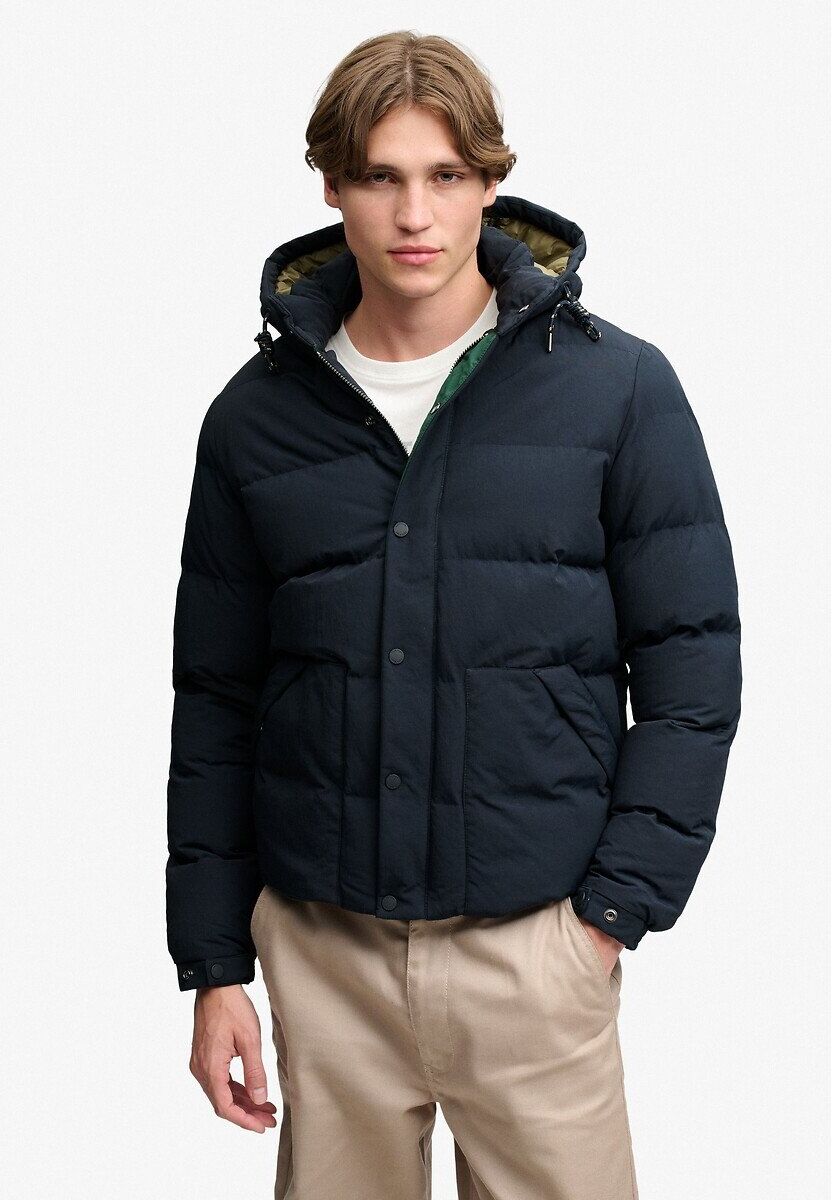
SUPERDRY Doudoune outdoor EverestDétails produit • Longueur : court • Col montant • Fermeture zippée • Capuche fixe réglable par cordon • 2 poches biais • Poignets réglables par bouton-pressions Composition et Entretien • Matière principale : 100% polyester • Doublure : 100% polyester • Garnissage : 100% polyester • Température de lavage 30° cycle délicat • Ne pas repasser / blanchiment interdit • Ne pas sécher en tambour • Pas de nettoyage à sec149,99 €*Shipping: 3,99 €Secure redirect to the provider
-
PUMA Baskets Milenio TechDétails produit • Type de sport : Running • Talon plat • Fermeture : A lacets Composition et Entretien • Dessus/Tige : 100% textile • Doublure : 100% textile • Semelle intérieure : 100% textile • Semelle extérieure : 100% caoutchouc Fiche produit relative aux qualités et caractéristiques environnementales • Origine de fabrication (piquage, montage, finition) : Chine Dernière mise à jour des informations : 02/04/202649,00 €*Shipping: 3,99 €Secure redirect to the provider
-
PUMA Baskets SHUFFLE TECHDétails produit • Usage sportswear • Talon plat • Fermeture : A lacets Composition et Entretien • Dessus/Tige : 100% autres matériaux • Doublure : 100% textile • Semelle intérieure : 100% textile • Semelle extérieure : 100% caoutchouc65,00 €*Shipping: 3,99 €Secure redirect to the provider
-
What is scuba diving?
Scuba diving is a form of underwater diving where the diver uses a self-contained underwater breathing apparatus (scuba) to breathe underwater. It allows divers to explore the underwater world and observe marine life in its natural habitat. Scuba diving can be done for recreational purposes, as well as for scientific, military, and commercial purposes. It requires specialized training and equipment to ensure safety and enjoyment while exploring the underwater environment. **
-
Why do people scuba dive?
People scuba dive for a variety of reasons, including the opportunity to explore underwater ecosystems and marine life, the sense of adventure and excitement that comes with diving into the unknown, and the chance to experience weightlessness and freedom underwater. Scuba diving also provides a unique way to connect with nature and escape the stresses of everyday life, as well as the opportunity to challenge oneself and learn new skills. Ultimately, people scuba dive for the sense of wonder and awe that comes with discovering the beauty and mysteries of the underwater world. **
-
Why does a scuba tank sink?
A scuba tank sinks because it is typically made of metal, which is denser than water. The weight of the tank, combined with the weight of the air inside it, causes it to be negatively buoyant and sink in water. Scuba divers use weights and buoyancy control devices to offset the weight of the tank and achieve neutral buoyancy while underwater. **
-
What is a small scuba tank?
A small scuba tank, also known as a pony bottle or spare air tank, is a compact and portable air supply used by divers as a backup in case of an emergency. These tanks typically hold a smaller volume of air compared to standard scuba tanks, making them lighter and easier to carry. Small scuba tanks are often used for short dives, as a safety precaution, or for specific technical diving purposes. **
Similar search terms for Scuba
-
DIM THERMAL TECH LeggingDétails produit • Caleçon • Matière : coton Composition et Entretien • 54% coton, 21% polyester, 20% viscose, 5% élasthanne • Pour l'entretien, merci de vous référer aux indications figurant sur l'étiquette du produit • OEKO-TEX® Standard 100. La labellisation OEKO-TEX® Standard 100 contrôle les substances nocives des produits textiles via un label indépendant et international.24,59 €*Shipping: 3,99 €Secure redirect to the provider
-
PUMA Baskets Milenio Tech LTDétails produit • Usage sportswear • Talon plat • Fermeture : A lacets Composition et Entretien • Dessus/Tige : 92% textile, 8% autres matériaux • Doublure : 100% textile • Semelle intérieure : 100% textile • Semelle extérieure : 100% caoutchouc45,00 €*Shipping: 3,99 €Secure redirect to the provider
-
PUMA Baskets SHUFFLE TECH OGDétails produit • Usage sportswear • Talon plat • Fermeture : A lacets Composition et Entretien • Dessus/Tige : 51% textile, 49% autres matériaux • Doublure : 100% textile • Semelle intérieure : 100% textile • Semelle extérieure : 100% caoutchouc70,00 €*Shipping: 3,99 €Secure redirect to the provider
-
PUMA Baskets Milenio tech 2000 2ToneDétails produit • Usage sportswear • Talon plat • Fermeture : A lacets Composition et Entretien • Dessus/Tige : 100% textile • Doublure : 100% textile • Semelle intérieure : 100% textile • Semelle extérieure : 100% caoutchouc56,00 €*Shipping: 3,99 €Secure redirect to the provider
-
What are scuba tanks filled with?
Scuba tanks are filled with compressed air or a mixture of gases, such as nitrox or trimix. The most common filling for scuba tanks is regular compressed air, which is approximately 21% oxygen and 79% nitrogen. Nitrox is a mixture with a higher percentage of oxygen, typically around 32% or 36%, and is used for longer dives to reduce the risk of decompression sickness. Trimix is a mixture of oxygen, nitrogen, and helium, and is used for very deep dives to reduce the effects of nitrogen narcosis. **
-
Should one practice scuba diving or not?
Whether one should practice scuba diving depends on their comfort level in the water, physical fitness, and willingness to learn and follow safety protocols. Scuba diving can be a thrilling and rewarding experience, allowing individuals to explore the underwater world and see marine life up close. However, it also comes with risks, such as decompression sickness and equipment malfunctions, so proper training and caution are essential. Ultimately, the decision to practice scuba diving should be based on individual circumstances and a thorough understanding of the potential risks and rewards. **
-
How can one learn to scuba dive?
To learn how to scuba dive, one can enroll in a scuba diving certification course offered by a reputable organization such as PADI or NAUI. These courses typically consist of a combination of classroom sessions, pool training, and open water dives. It is important to find a certified instructor and dive center to ensure proper training and safety. Additionally, practicing and gaining experience through regular diving trips and continuing education courses can help improve skills and confidence in scuba diving. **
-
Which scuba dives belong in the logbook?
In a scuba diving logbook, all dives should be recorded, including the date, location, dive site, depth, duration, and any notable observations or experiences. This includes recreational dives, training dives, night dives, and any other type of dive. Each entry should also include details about the equipment used, the dive buddy, and any specific skills practiced or objectives achieved during the dive. Keeping a comprehensive logbook helps divers track their experience, maintain a record of their training and certifications, and plan future dives. **
* All prices are inclusive of VAT and, if applicable, plus shipping costs. The offer information is based on the details provided by the respective shop and is updated through automated processes. Real-time updates do not occur, so deviations can occur in individual cases. ** Note: Parts of this content were created by AI.